The 10-Minute Habit That Lowers Blood Sugar (No Gym Required)
You don’t need to overhaul your life. You just need to move after you eat.
By Chef Jeff Grundy | Your Diabetes Reversal Roadmap
I used to think exercise meant suffering.
An hour on a treadmill. A gym membership I’d feel guilty about not using. Some punishing routine that proved I was finally “serious” about my health. If it didn’t hurt, it didn’t count.
That thinking kept me stuck for years. And I hear the same thing from almost everyone I talk to who’s managing Type 2 diabetes. They know they should move more. They just can’t make themselves do it consistently. So they do nothing. And then they feel worse about themselves for doing nothing.
Here’s what changed everything for me: I stopped thinking about exercise and started thinking about a 10-minute walk.
Does Walking After Meals Actually Lower Blood Sugar?
Yes. And the research on this is pretty remarkable.
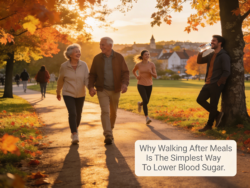
A 10-minute walk after eating can lower post-meal blood sugar spikes by up to 22%. That’s not a small number. Post-meal spikes are one of the biggest drivers of long-term blood sugar problems for people with Type 2 diabetes. Flattening those spikes consistently — meal after meal, day after day — adds up fast.
Here’s why it works. When you walk, your muscles use glucose for fuel. That glucose has to come from somewhere, and right after a meal, it comes straight from what you just ate. Your muscles essentially act like a sponge, soaking up the sugar before it has a chance to spike in your bloodstream.
You don’t need to walk fast. You don’t need to break a sweat. You just need to move within about 30 minutes of finishing your meal.
Why the Gym Feels Impossible (And Why That’s Okay)
Most exercise advice for people with diabetes points toward big, structured workouts. And look — if you love the gym, great. Keep going. But for most people I know, a gym commitment is a setup for an all-or-nothing cycle.
You go hard for two weeks. Life gets busy. You miss a few days. Then missing a few days becomes missing a month. Then the guilt kicks in and the whole thing collapses.
That’s not a discipline problem. That’s a program design problem. The program was too big for real life.
The 10-Minute Rule flips that. If you can do something for 10 minutes, you can build a habit around it. Ten minutes is so small it feels almost silly. That’s exactly the point. Small enough that you’ll actually do it. Consistent enough that it compounds into real results.
How To Build the After-Meal Walk Habit
You don’t need a plan. You need a trigger.
The meal itself is your trigger. You finish eating, you walk. That’s it. You’re not scheduling a workout. You’re just adding 10 minutes of movement to something you already do three times a day.
Start with one meal. Lunch is a good one for most people — you’re already up and moving, and it’s easier to step outside or take a lap around the office or neighborhood. Do that one walk for two weeks before you add another.
You can walk around the block. You can walk laps in your living room. You can walk in place while you watch TV after dinner. The location doesn’t matter. The movement does.
If you use a glucose monitor, try checking your blood sugar about an hour after a meal on a day you walked versus a day you didn’t. That data — your data — will tell you more than anything I can say.
What If You Have Bad Knees, Limited Mobility, or Low Energy?
This question comes up every single time I talk about walking, and I want to address it directly.
If walking isn’t accessible for you right now, seated movement counts too. Gentle leg lifts at the kitchen table. Rolling your ankles. Standing up and sitting back down a few times. Even light movement after meals activates the same muscle groups and has a measurable effect on blood sugar.
The goal isn’t perfection. The goal is activating your muscles after eating. Work with your body, not against it. And always talk to your doctor before starting something new — lifestyle changes work best alongside your medical care, not instead of it.
Your One Action for Today
After your next meal — not Monday, not tomorrow morning — take a 10-minute walk.
Don’t change anything else. Don’t overhaul your diet today. Don’t sign up for anything. Just walk for 10 minutes after you eat and see how you feel.
That’s the Habit Engine at work. One small thing, done consistently, building toward something real. You’re not training for a marathon. You’re just moving after you eat.
If you want to see how this fits into a bigger picture for managing your blood sugar through food and simple daily habits, grab the free QuickStart Guide It’s the first three chapters of my book, no cost, no catch. Just practical help for real life.
Next meal. Ten minutes. That’s where it starts.